
An estimate for water damage work is only as useful as it is specific. A single line with a total tells you very little, and it leaves room for disagreement later. This guide is for New Bern, NC homeowners who have received an estimate, or are about to. It lists what a proper estimate should include, explains what each part means, and suggests questions to ask when something is unclear.
The basics at the top
The estimate should name the company, the property address, the date, the cause or source of the water as the company understands it, and the water category if known. It should describe the affected rooms or areas, with approximate measurements. A clear start includes how the company found the extent of the damage, whether through moisture meters, thermal imaging or both.
If a company has not measured anything, it has not estimated anything. It has guessed. That is a reason to ask for readings before you agree to a figure.
The line items
| Line item | What it covers | What to ask |
|---|---|---|
| Emergency response | Arrival, setup, initial assessment | Is it a flat charge or time based? |
| Water extraction | Pumps and wet vacuums | Area and depth |
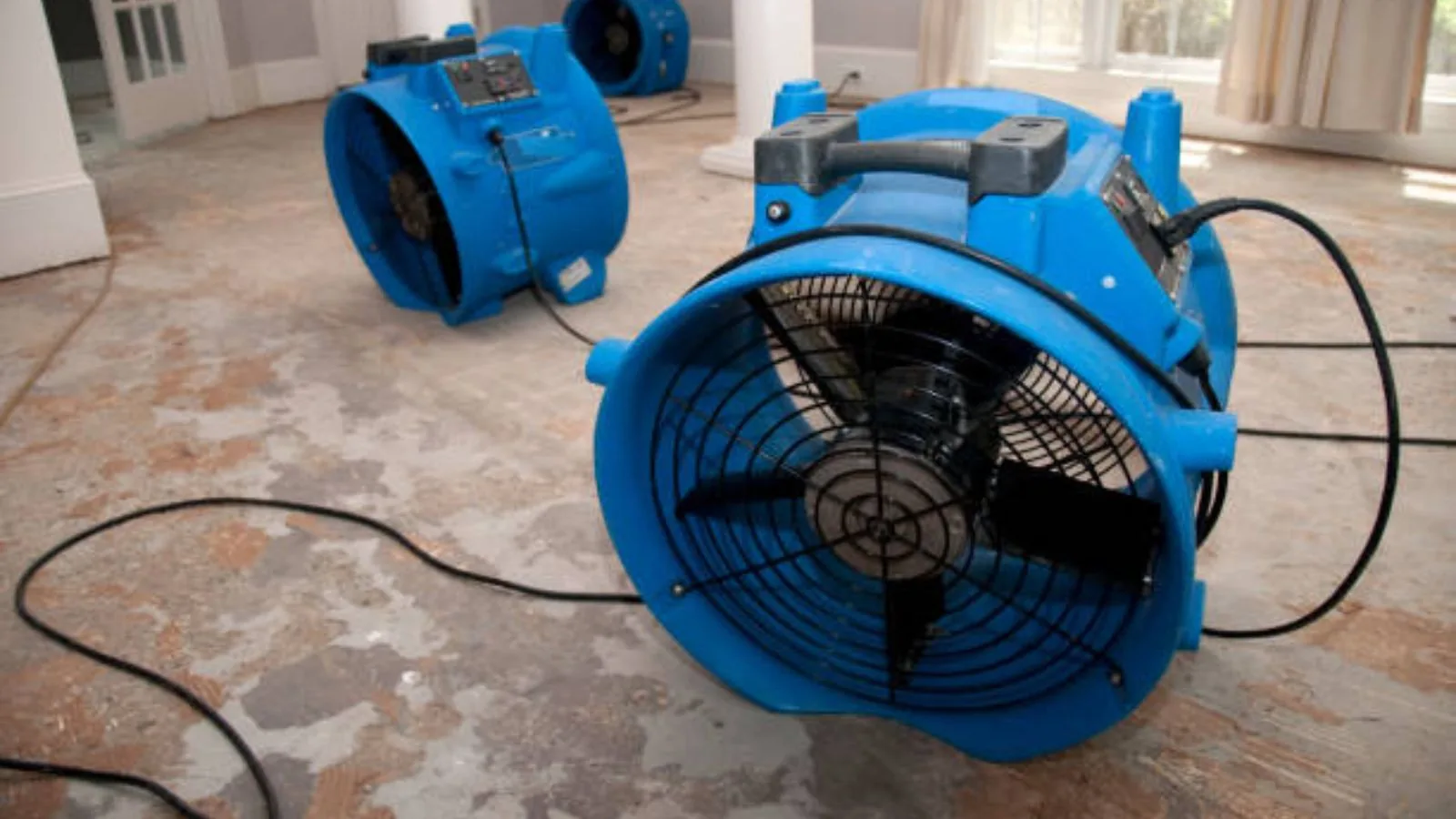
| Equipment | Air movers, dehumidifiers, other | Number of units and days |
| Monitoring | Daily moisture readings | How often, and who records |
| Demolition | Removal of wet materials | Which materials and how much |
| Cleaning and treatment | Cleaning surfaces, antimicrobial where used | What is applied and where |
| Contents handling | Moving, packing, storing | Included or separate |
| Disposal | Debris removal | Included or separate |
Equipment and drying days
Drying is where many estimates differ most. The number of air movers and dehumidifiers and the number of days they run drive a large part of the cost. Ask how the company decided on that number. A good answer refers to the size of the affected area and the readings, and it says that the days may change if readings show more moisture.
A fixed number with no reasoning is a reason to ask more.
The structural drying page explains how drying is planned and measured, which helps you judge whether the equipment on an estimate is plausible.
What is often missing
Several things are commonly left off. Repairs after drying, such as new drywall, paint, flooring and trim, are often a separate scope. Permits, if needed, may not be listed. Contents handling may be excluded. Hidden damage found after demolition may be priced by change order. None of this is wrong, but you should know it before you agree. Ask for a list of exclusions, and ask what happens if more damage is found.
Repair and rebuild
Is it included, or priced and scheduled separately?
Permits
Does the work need one, and who handles it?
Contents
Is moving or storing items included?
Change orders
How are surprises priced, and do you approve them first?
Insurance and the estimate
If an insurer is involved, it may write its own estimate, and the two may not match. That is normal, because different tools and assumptions are used. Share your estimate with your insurer, and ask what documents it wants. A restoration company can provide moisture readings, photos and an itemized scope, which help document a loss.
Coverage depends on the cause of the water and the policy, so ask your insurer, and be cautious of any company that tells you what will be paid.
The line is answered around the clock. Call and describe what you see.
Estimate versus final invoice
An estimate is a plan, and the final invoice reflects what happened. Readings may show water in more places, drying may take fewer days, or demolition may uncover more damage. A reasonable company will tell you about changes as they come up, and will explain the difference at the end. Ask how changes are communicated and whether you will be asked before extra work is done.
Comparing two estimates side by side
When you have two estimates, do not start with the totals. Put the line items next to each other and look for the differences in equipment, days, removal and exclusions. Then call each company and ask it to walk through its own numbers. A company that built an estimate from readings can explain each line in a sentence or two.
It is also fair to ask how long each company expects the job to take and what would change that. Drying time depends on the materials and the weather, so an honest answer is a range and a reason, not a single promise.
Time, access and after-hours work
Some estimates add charges for after-hours response, difficult access or work in tight spaces such as a crawl space or an attic. These are fair to ask about. Ask which conditions change the price, and whether a night call is priced differently from a daytime one, so there are no surprises on the invoice.
Local notes for New Bern
Permit costs and the city
The City of New Bern's Inspections Division page says fees are listed in the city's annual budget under fees and charges, and that permit applications are available through the city's document center. Permit fees are separate from restoration costs, so ask your contractor whether any are expected and who pays them.
For homes in Pollocksville, which is in Jones County, permit fees and rules come from a different authority.
What affects the cost
We build our estimate from readings and explain each line before work starts. The inputs are the water category, the area, the materials, the equipment and the drying days, with rebuild priced apart. If you want to compare ours with another, call the line and ask for the breakdown.
Questions about estimates
Is an estimate the final price?
No. It is a plan based on what is known. Changes are explained as readings and demolition reveal more.
Should an estimate include rebuild work?
Sometimes. Ask whether repair and finishing are included or separate.
Why do two estimates differ?
They may cover different scopes or equipment. Compare line items before price.
Where do I find New Bern permit fees?
The City of New Bern lists fees in its annual budget under fees and charges.
Call the 24/7 line and describe the damage in your own words.