
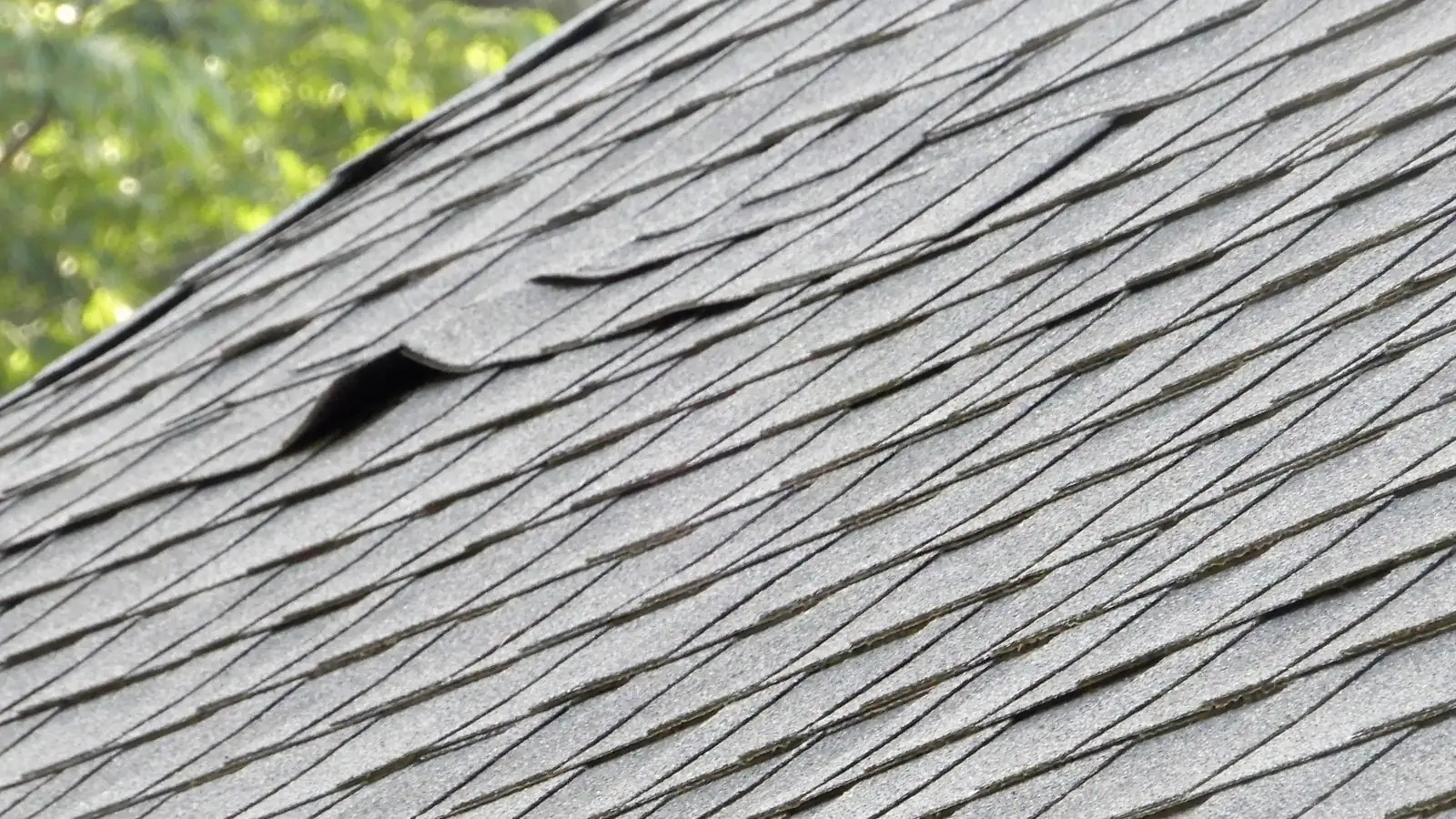
Storm water damage is the water that enters a building through the envelope during a storm, meaning the roof, windows, doors, siding and vents. It is not rising water. When the water comes down or sideways rather than up, it belongs here, and when it rises from the ground, the flood damage cleanup page applies.
If a storm has just passed and you have water inside, treat it as an emergency. The line is open 24/7. Do not go outside during dangerous conditions, and do not go onto a damaged roof. Once the weather has cleared, photograph the damage and call.
After the storm: what to do first
Check for safety before anything else. Downed lines, gas smells, structural damage and weakened ceilings all matter more than water. If your power is out, avoid using a generator indoors. If there is a risk, call 911 or the utility.
Then document. The NC Department of Insurance says to photograph and list the damage before temporary repairs, and to keep receipts for materials you buy to prevent further damage, such as a tarp or plywood. It also advises holding off on permanent repairs until the insurer has inspected.
Safety first
Do not enter a damaged room if the ceiling is sagging or power lines are down.
Photograph before moving
Take photos of the water, the entry point and your belongings before temporary repairs.
Cover openings
A tarp over a broken window or roof opening can prevent more damage. Keep the receipt.
Call us and your insurer
We handle the water. Your insurer decides coverage and the claim.
How storm water gets in
Storms find weak spots. Wind-driven rain can push water past window frames, under door thresholds and through gaps in flashing. A roof that has lost shingles lets rain into the attic, and water spreads across the insulation and then down into ceilings.
In a coastal city, a tropical system can bring heavy rain, wind and a rising river in the same event. During Hurricane Florence in 2018, a USGS gauge on the Trent River recorded a 10.41 foot surge, per the NC State Climate Office. If your damage includes both rain from above and water from outside, you may need both this page and the flood page.
Cleanup and drying
Storm water that came through the roof or windows is often clean at first, but it can pick up dirt, insulation and roofing debris on the way. Crews extract standing water, remove wet insulation and drywall, and dry the structure.
| Entry point | What gets wet | Approach |
|---|---|---|
| Roof opening | Attic insulation, ceilings, upper walls | Insulation removed, ceilings opened |
| Window or door | Wall base, floor, trim | Extraction, cavity drying |
| Vent or chimney | Walls and ceilings near the flue | Moisture mapping, targeted drying |
| Siding or wall | Cavity behind the siding | Cavity opened, dried |
Ceiling damage is covered in detail on the ceiling water damage repair page. For large-scale drying equipment, see structural drying.
The line is answered around the clock. Call and describe what you see.
After the wind and rain stop
Once the weather passes, walk the house in daylight and look for water you did not see during the storm. Check ceilings, window frames and the tops of exterior walls, and the attic access if you can reach it safely. Take photos from several angles.
Water that entered at a roof edge can travel along framing and show up far from where it came in, which is why readings matter more than where the stain appears.
Our drying and removal work follows the ANSI/IICRC S500 standard for water damage, which sets out water categories and the readings that show a material is dry.
What affects the cost
We explain the scope and how it is priced before work starts. For storm damage the factors are:
- How much water entered and how long it stayed.
- How many rooms and floors it reached.
- Whether it affected attic insulation and ceilings.
- Drying days.
- Repair and, separately, whether a roofer or window contractor is needed.
Insurance depends on your policy, and wind and flood are treated differently. Some policies carry a separate deductible for a named storm, which the NC Department of Insurance mentions. Ask your insurer. Want a real number? Call the line.
Where this matters
Storm calls can come from anywhere in the area, from Bridgeton across the river to the neighborhoods of New Bern.
Storm water damage questions
Do you handle storm water damage emergencies at night or on weekends in New Bern?
Yes. The phone line is open 24/7. Wait until it is safe to be inside, and then call.
Is storm water the same as flood water?
Not exactly. Storm water comes through the building envelope from above or the side, while flood water rises from the ground. Flood water is more likely to be contaminated.
Should I tarp my roof myself?
Do not climb on a wet or damaged roof. Call a roofer, and keep any receipts.
Will homeowners insurance cover storm damage?
Often, for wind and rain damage, but flood is usually excluded. Your policy decides.
How soon should I call?
As soon as it is safe. The sooner the structure dries, the less it needs to replace.
Call the 24/7 line and describe the damage in your own words.