
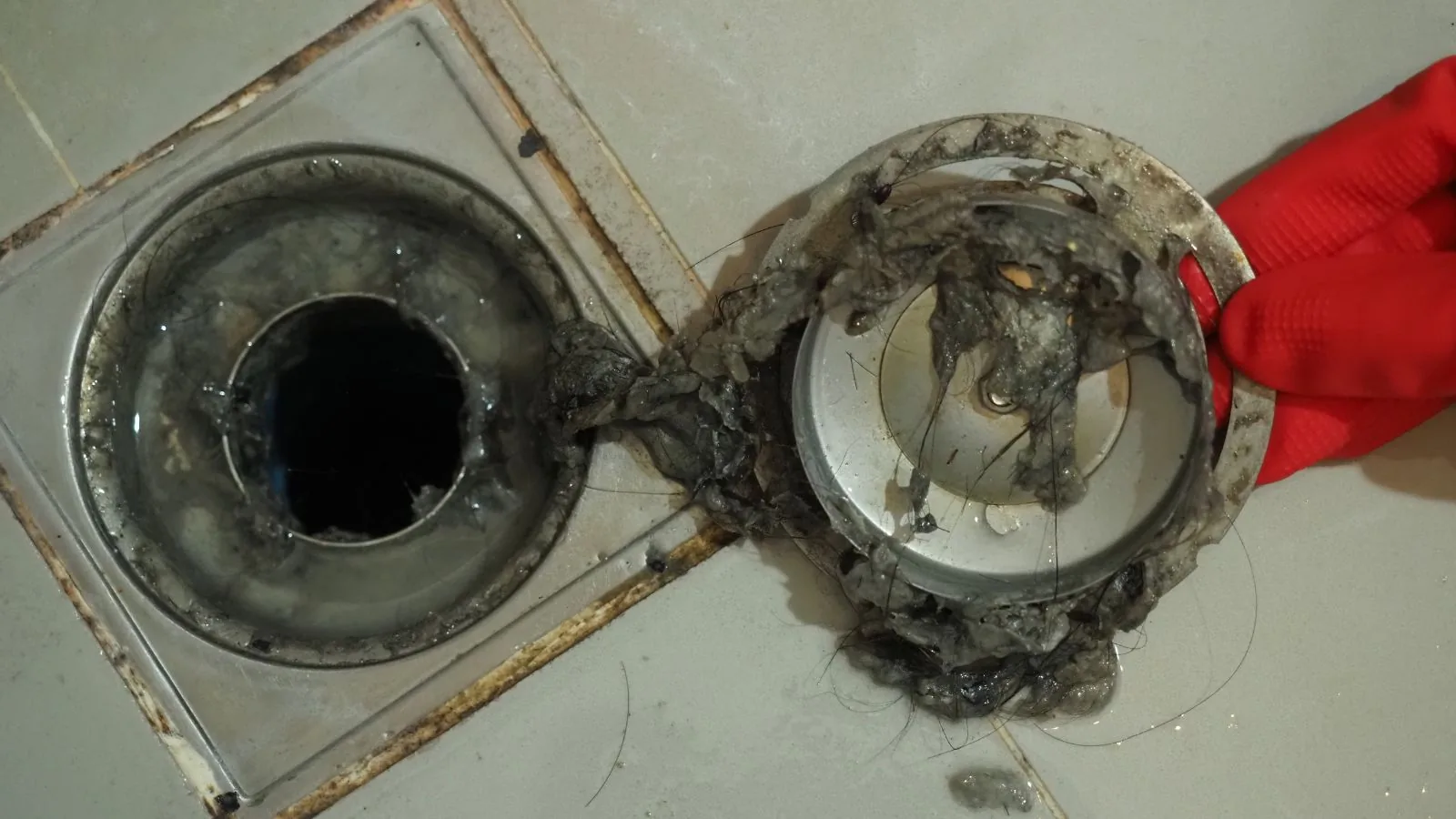
Sewage backup cleanup is the safe removal, cleaning and sanitizing of a space after wastewater has come up through a toilet, floor drain, tub or sewer line. If sewage is on your floor, treat it as an emergency. The phone line is answered 24/7, and the first step is to stop using the plumbing and keep everyone out of the area.
This is the one water loss where doing it yourself is a bad idea. Sewage carries bacteria, viruses and parasites, and wet porous materials hold them. Professional crews wear protective equipment and follow set procedures, and some materials simply have to go.
Toilet overflow, drain backup or sewer line: what you are looking at
Most people describe this as a toilet that overflowed or a drain that came up. The technical term is a Category 3 water loss, which is the most contaminated category. In this category, even if the water looks clear it should be treated as unsafe, and anything porous that it touched is a candidate for removal.
A single clogged toilet that overflows with clean tank water onto a tile floor is a smaller problem. Water that comes up through a floor drain or from the main line is more serious. If other drains in the house are gurgling or backing up, the problem is likely in the main line or the municipal system, and a plumber or the utility needs to know.
Stop using water
Do not flush, run the washer or use sinks. Every drop adds to the backup.
Keep people and pets out
Children and animals should stay away from the area, and nobody should walk through it barefoot.
Do not use a household vacuum
It spreads contamination into the air and ruins the machine.
Call the plumber and us
A plumber clears the line, and we clean up. Tell each what the other is doing.
Why the safety steps matter
The goal is to prevent exposure. Contaminated water on carpet and drywall can sicken people, and the right approach is to remove what cannot be cleaned and sanitize what can. Gloves and boots are not enough on their own. Crews use respirators and protective suits for larger jobs.
Do not mix cleaning chemicals, and do not use fans to dry sewage-soaked rooms, since they spread airborne contamination. Questions about health after exposure belong to a physician, and if someone in the home has symptoms, call a doctor.
How a sewage cleanup is done
The sequence starts with containment and extraction. Porous materials that sat in sewage, such as carpet, pad, insulation and drywall, are removed and discarded. Hard surfaces are cleaned and sanitized with appropriate products. The area is then dried with equipment, and readings confirm that the structure is dry.
| Material | After sewage | Reason |
|---|---|---|
| Carpet and pad | Removed | Cannot be sanitized |
| Drywall and insulation | Cut out | Absorbs contamination |
| Tile, concrete | Cleaned and sanitized | Non-porous |
| Wood framing | Cleaned and dried | Sturdy if treated |
| Upholstery | Usually discarded | Cannot be cleaned fully |
A basement is a common place for backups, because floor drains sit at floor level, where water collects. The basement water damage page explains lower-level jobs. For general equipment and readings, see structural drying.
The line is answered around the clock. Call and describe what you see.
Utilities and local context
The City of New Bern runs its own water and wastewater systems and publishes annual wastewater reports on its utilities page. If a backup is caused by a problem in the city's main, the city's utility department is the party to call. If it is in your own lateral, it is your plumber. A plumber with a camera can tell which.
What to tell the dispatcher
Mention which fixtures are backing up, such as a toilet, a tub or a floor drain, and whether the water is rising. Say whether other homes on your street seem affected, since that can point to the public line. Keep people and pets out of the area, and do not run fans or a vacuum on the water.
Our drying and removal work follows the ANSI/IICRC S500 standard for water damage, which sets out water categories and the readings that show a material is dry.
What affects the cost
We explain the scope and how it is priced before work starts. For sewage the factors are:
- The amount of material that must be removed.
- The area affected and the number of rooms.
- Disposal needs for contaminated materials.
- Drying days.
- Rebuild afterward.
Insurance for sewer backup often requires a specific endorsement on a homeowners policy, so check yours. Flood is usually excluded. Ask your insurer. Want a real number? Call the line.
Questions about sewage backup
Do you handle sewage emergencies at night or on weekends in New Bern?
Yes. The phone line is open 24/7. Stop using the plumbing, keep everyone out of the area and call.
Can I clean sewage myself?
It is not recommended. Sewage carries pathogens, and porous materials usually need to be removed by trained crews.
Who fixes the clog?
A plumber clears and repairs the line. We clean up and restore.
Is it safe to stay in the house?
That depends on how much is affected. Keep people and pets out of the area, and ask a physician about any health concerns.
Does insurance cover a sewer backup?
Many standard policies do not unless an endorsement was added. Check with your insurer.
Call the 24/7 line and describe the damage in your own words.