
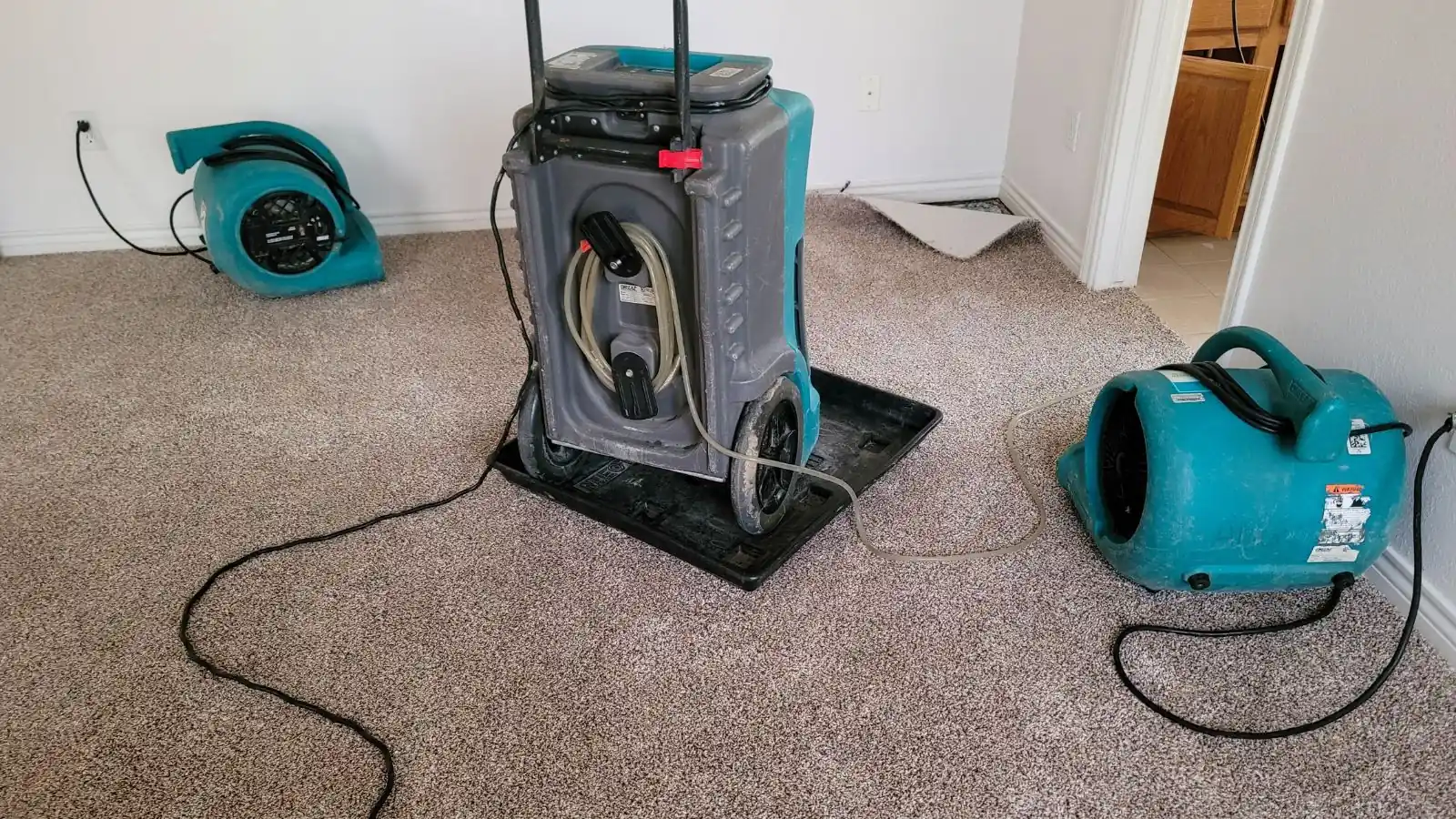
If your home had water damage and you are thinking about selling, you are probably wondering what you have to say and how much it will matter. This guide gives New Bern, NC homeowners the basics. We are a restoration company, not a law firm or a real estate agent, so this is general information and not legal advice. For decisions about your own sale, ask a real estate attorney or your agent.
The role of the disclosure statement
In North Carolina, sellers of residential property use a standard disclosure form, formally the Residential Property and Owners' Association Disclosure Statement. The state's rules, in Chapter 47E of the General Statutes, also say that an owner who finds the statement is inaccurate must promptly deliver a corrected one to the buyer. A seller may be able to choose no representation on some questions, so it matters what you check and what you leave unanswered.
Flood and water questions have been added to the form in recent years. According to press reports about the change, the form now asks five things. Is the property in a designated flood hazard zone? Has it suffered flood, water seepage or pooled-water damage from a natural event? Does a flood insurance policy cover it? Does an elevation certificate exist? Has the owner filed a flood claim?
Read the current form yourself, since it can change.
Why records help
Whatever you disclose, records make the story clear. A buyer who sees that a leak was found, dried and repaired, with readings and photos, has less to worry about than one who sees only a stain. Useful records include the date and cause of the loss, the moisture readings that showed the area was dry, the scope of work, receipts, and any permits and inspection results.
If we dried your home, we can provide readings and a scope. If another company did, ask for copies now, because records are easy to lose over time.
Cause and date
What happened, when, and what was done to stop it.
Readings
Moisture readings that show materials returned to normal.
Scope and invoices
What was removed, dried and rebuilt, with receipts.
Permits and inspections
Where a permit was needed, the final inspection result.
Repairs before listing
If damage is unrepaired, you have choices. You can repair it and keep the records, sell as is with honest disclosure, or reduce the price. There is no single right answer, and it depends on the damage, the market and your timeline.
What does not help is cosmetic cover-up. Paint over a stain, with no drying or repair, tends to come out in an inspection, and it creates a bigger problem than the original one.
If mold is involved, ask the buyer's inspector, an independent tester and your agent how it will be handled. The mold remediation page explains how mold work is planned, and the structural drying page explains how drying is verified.
What a buyer's inspector may look for
A home inspector checks for signs of past or present moisture, such as stains, soft spots, damp crawl spaces, musty smells and high moisture readings. Findings may lead to further evaluation. If a buyer asks for repairs or a credit, records of earlier work are your strongest response. A restoration company can also come out to re-measure and say whether materials are dry now.
Insurance and claims
A past insurance claim may come up on the disclosure form or in an insurance history report. Be accurate about what happened and when. Coverage depends on the cause of the water and the policy, so for questions about claims, talk to your insurer. We do not tell you what an insurer will pay.
The line is answered around the clock. Call and describe what you see.
Timing: before or after you list
Owners often ask whether to repair before listing or to sell as is. Repairing first gives you records and a clean inspection, but it costs money and time up front. Selling as is can move faster and may lead to a lower price or a request for credits. Neither is wrong.
What matters is that the choice is yours and that the information you give is accurate. A real estate agent can tell you how buyers in your area tend to respond, and an attorney can tell you what you must state.
Talking to buyers
Buyers respond better to clear information than to surprises. If there was a loss, be ready to say what happened, what was done and where the records are. A short folder with the scope, the readings and the invoices answers most questions before they are asked and keeps a negotiation on practical ground.
Local notes for New Bern
Flood information buyers may ask about
The City of New Bern provides a flood zone lookup map, and North Carolina has a Flood Risk Information System where flood hazard data can be viewed. Buyers and sellers in a river city often check them. A mapped flood hazard area is a property-level fact, so look up the specific address rather than a neighborhood.
If your home is in Bridgeton, which sits across the Neuse River from the city, or in Vanceboro, use the county's flood information, because city tools may not cover those addresses.
What affects the cost
If you need restoration work before a sale, the scope is explained before work starts. The price follows the water category, the area, the materials, the drying days and the rebuild, priced separately. Records of the work, such as readings and a scope, are part of what we provide. Call the line to talk through a timeline.
Questions about selling
Do I have to disclose past water damage?
Ask a real estate attorney or your agent. The state disclosure form has water and flood questions, and an inaccurate statement must be corrected.
Do repair records help?
Yes. Readings, a scope, invoices and permits show what was done.
Can I just paint over a stain before listing?
It is not advisable. Inspectors often find the cause, and hiding it creates a bigger problem.
Where can a New Bern buyer check flood hazard data?
The City of New Bern's flood zone lookup map and the state's Flood Risk Information System are good places to start.
Call the 24/7 line and describe the damage in your own words.