
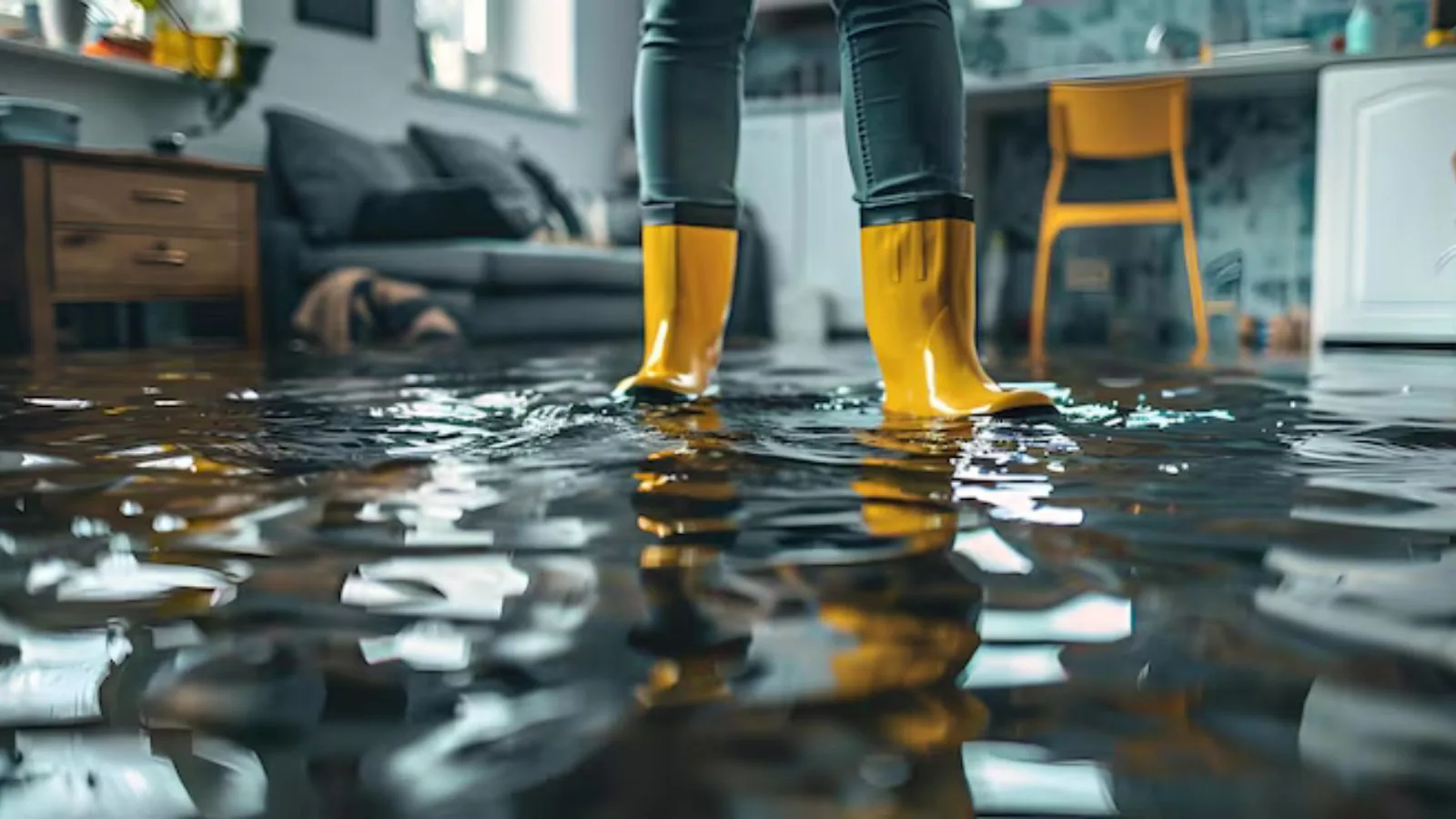
When water gets into a home, the first emotion is often overwhelm. Everything is wet, and everything seems to need a decision. This guide helps New Bern, NC homeowners sort belongings into three piles, which are keep and clean, keep and dry, and throw away. It explains the rules of thumb that restoration crews use, and it covers what to photograph before anything leaves the house.
Two questions decide most items
Almost every decision comes down to two questions. What kind of water touched it, and what is it made of? Clean water from a supply line is the easiest case. Gray water, such as from a washing machine drain, is worse. Contaminated water, from a toilet, a sewer or a flood, is the worst, and porous items that soaked in it are usually discarded.
Material matters because hard, nonporous things can be cleaned, and soft, porous things hold water and whatever was in it. Glass, metal and sealed plastic are cleanable. Upholstered furniture, mattresses, carpet pad and particleboard are much harder to save.
| Material | Clean water | Contaminated water |
|---|---|---|
| Glass, metal, sealed plastic | Clean and dry | Clean with care, or discard if doubtful |
| Solid wood furniture | Often dried and kept | Case by case |
| Upholstery and mattresses | Sometimes dried quickly | Discard |
| Carpet and pad | Pad often replaced, carpet case by case | Discard |
| Particleboard and pressed wood | Often swells and fails | Discard |
| Books and papers | Can sometimes be frozen and dried | Discard |
Photograph first
Before anything leaves the house, take photos. Photograph each room and each damaged item, and write a short list. Date-stamped photos and a list of what was damaged help later with any insurance conversation. Coverage depends on the cause and the policy, so ask your insurer what they need. Do not discard high-value items until your insurer has had a chance to see them or has told you it is fine.
Take photos
Wide shots of each room, then close-ups of damaged items and the waterline.
Make a list
Item, approximate age, and what it looked like before. A phone note is enough.
Set aside valuables
Keep jewelry, papers and small high-value items together on dry ground.
Hold off on big discards
Ask your insurer before removing large items such as furniture or appliances.
Items that usually can be kept
Many hard goods survive a clean-water event. Dishes, pots and glassware can be washed. Metal tools can be dried and oiled. Plastic bins can be wiped. Solid wood furniture is often worth drying, especially if it has sentimental value, although veneers and glued joints may loosen. Clothes and linens can be laundered if the water was clean.
Electronics are a special case, because water inside them can cause failure later, so have them checked before you plug them in. Leaks that start in appliances are covered on the appliance leak water damage page.
Items that usually go
Some things are not worth the risk. Anything porous that soaked in contaminated water should go, including carpet, pad, upholstered furniture, mattresses, pillows and stuffed toys. Food that touched flood water or sewage should be discarded. Particleboard cabinets and furniture often swell and come apart.
Wet insulation and drywall inside walls are removed by the crew. Do not try to clean these items to keep them, because the cost of a second loss is higher than the cost of replacing.
For the building itself, the crew decides what can be dried in place. The carpet water damage, hardwood floor and wall and drywall pages explain how each material is assessed.
Handling items safely
Wear gloves and sturdy shoes when sorting. Bag items that must go, and keep them out of living areas. Do not carry wet, heavy furniture alone. If the water may have been contaminated, treat everything it touched with care, and wash your hands well. Keep children and pets away from the sorting area.
The line is answered around the clock. Call and describe what you see.
Sentimental items and children's things
Some belongings matter far more than their replacement cost. Quilts, letters, a child's toys and family keepsakes deserve a second look before they go in a bag. If the water was clean, many of these can be washed or dried carefully. If the water was contaminated, photograph the item, keep a note of what it was, and accept that some things cannot be made safe.
Children's items need extra caution. Stuffed toys and soft furnishings that soaked in contaminated water are discarded, and hard plastic toys can be washed and dried.
Cleaning what you keep
For hard items that survived clean water, wash with warm water and a household detergent, rinse, and let them dry fully in moving air. Do not stack damp items, since trapped moisture can start mold. Wear gloves, and wash any cloth you use afterward. If an item still smells after drying, it may be better to let it go.
Local notes for New Bern
Large debris and the city
The City of New Bern's website includes information on solid waste and debris collection. After a large loss, ask the city what it accepts at the curb and what must go to another facility, since carpet, drywall and furniture can be bulky. Do not assume that regular pickup covers a large cleanout.
If you live outside city limits, in Pollocksville or Vanceboro, ask your own town or county about disposal.
What affects the cost
If contents handling is part of a job, it is listed in the scope, which we explain before work starts. Cost follows the water category, the area, the materials and whether items are moved, packed or discarded. Ask your insurer what it needs before you discard anything of value. A call gets you a number for the building side of the loss.
Questions about salvaging belongings
Can a mattress be saved after clean water?
Rarely. Mattresses hold water deep inside, and drying them is difficult.
Should I throw out food that was near water?
Anything that touched flood or sewage water should go. For other cases, when in doubt, throw it out.
Should I wait for my insurer before discarding things?
For large or valuable items, ask first, and photograph everything either way.
Where do I ask about bulk debris pickup in New Bern?
Start with the City of New Bern's solid waste information, and ask what is accepted at the curb.
Call the 24/7 line and describe the damage in your own words.