
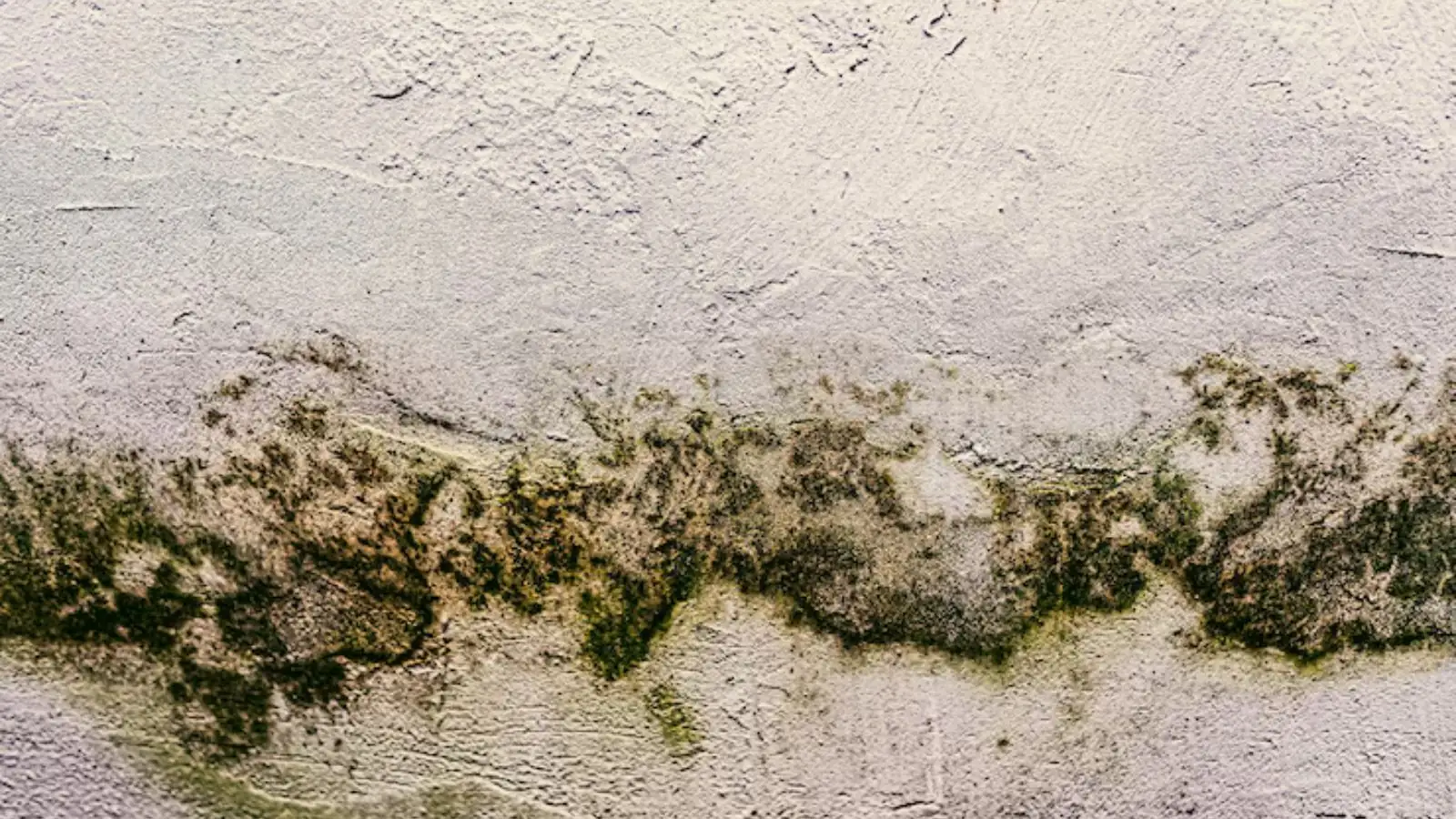
When people search for black mold removal services, they are usually trying to answer two questions. What will the company actually do, and how do I know the price is fair? This guide is written for New Bern, NC homeowners and explains what a proper mold removal job includes, what a quote should say, and which questions to ask before you hire anyone.
What a mold removal scope should include
A complete scope has a consistent set of parts. It starts with a moisture assessment, because mold that returns almost always means moisture was left behind. It describes how the work area will be contained and how air will be filtered. It lists the materials to be removed and the surfaces to be cleaned, and it explains drying afterward. A scope that is only a line saying mold treatment is not enough to compare.
The industry reference is the ANSI/IICRC S520 standard. A company that follows it will describe containment, removal and cleaning in terms a homeowner can follow, and it will explain what happens if something unexpected is found when a wall is opened.
Assess the moisture
Meters and thermal imaging show where materials are wet, which is often larger than the visible patch.
Contain the area
Sheeting and filtered air keep disturbed material in the work zone.
Remove what cannot be cleaned
Porous materials such as drywall and carpet pad are removed once growth is established.
Clean and dry
HEPA vacuums and cleaning address what remains, then drying equipment brings the structure to normal.
Questions to ask any company
Ask who does the testing and who does the removal, and whether they are the same party. Ask how the company will contain the area. Ask what happens to the moisture source, and whether that is part of the job or someone else's.
Ask for the scope in writing with the materials to be removed, and ask what is not included. A good answer is specific. A vague one is a reason to keep looking.
Be cautious of anyone who promises that mold will never come back, or who pushes a treatment without finding the moisture. Also be cautious of a quote that arrives by phone with no site visit. The extent of growth and moisture cannot be known without measuring.
Why black mold gets special attention
Dark mold has a frightening name, but the color does not change the basic approach. Whatever the type, the plan is to control the moisture, contain the work, remove affected porous material and clean the rest. The type matters mostly for a lab report, not for the steps. If you are worried about how mold affects a person, ask a doctor, because that is outside what a restoration company can answer.
Read more about how a job is staged on the mold remediation page. Drying after removal is explained on the structural drying page, and the wall and drywall page explains what happens when a wall must be opened.
Comparing two quotes
| Item | Quote A | Quote B | Why it matters |
|---|---|---|---|
| Moisture assessment | Listed | Not mentioned | Without it, mold can return |
| Containment | Sheeting and filtered air | Not described | Keeps spores in the work area |
| Materials removed | Itemized | Treat surfaces | Porous materials are not cleaned through |
| Drying | Equipment and days listed | Not mentioned | Prevents new growth |
| Testing | Independent party suggested | Same company sells and tests | Separation keeps results honest |
Two quotes with different numbers may be pricing different jobs. Line them up by scope first, then compare price.
The line is answered around the clock. Call and describe what you see.
After the job: what to check
When the work is finished, you should be able to see what was done. Ask for the final moisture readings, photos of the area before and after, a list of what was removed, and any permit or inspection paperwork. Walk the area with the crew lead, and look at the edges of the cleaned zone and at the surfaces nearby.
If you hired an independent tester, ask whether a follow-up test makes sense after the work. Keep the records with your home papers, since a buyer, a landlord or an insurer may ask for them later.
Why the company should explain the source
A removal scope that stops at cleaning leaves the cause alone. Ask what the company found that caused the moisture, whether it is fixed, and who will fix it if it is not part of the job. A plumber, a roofer or a drainage contractor may be needed, and the schedule should account for that.
Local notes for New Bern
Permits, inspections and who to ask
The City of New Bern's Inspections Division says plumbing, electrical and mechanical permits are required for renovations and rehabilitation work, and building permits apply to structural work and larger projects. Mold removal often ends with rebuilding walls, and rebuilding can involve those trades. Ask the division before work starts, and ask your contractor who pulls any permit.
Outside city limits the county or town may be the authority. For homes in Bridgeton or Vanceboro, which are in Craven County, check with the county office. For Pollocksville, which is in Jones County, the authority is different again.
What affects the cost
A quote from any company should come with its scope. Ours is explained before work starts, and the price tracks the area, the extent of moisture, the materials removed, the containment, the drying days and the rebuild, priced separately. Because insurance depends on the cause and the policy, ask your insurer before you commit. If you want to see how that looks for your home, call the line.
Questions about hiring for mold
Should the company that tests also remove the mold?
It is cleaner when they are different parties, because the tester has no stake in the scope.
Is a lower quote a better deal?
Only if it covers the same work. Compare scopes before comparing price.
What if the company wants to start without measuring moisture?
Be cautious. The extent of the problem cannot be known without readings.
Does a New Bern company need to pull a permit for mold removal?
It depends on what is rebuilt. Ask the City of New Bern Inspections Division, or the county if you are outside city limits.
Call the 24/7 line and describe the damage in your own words.